


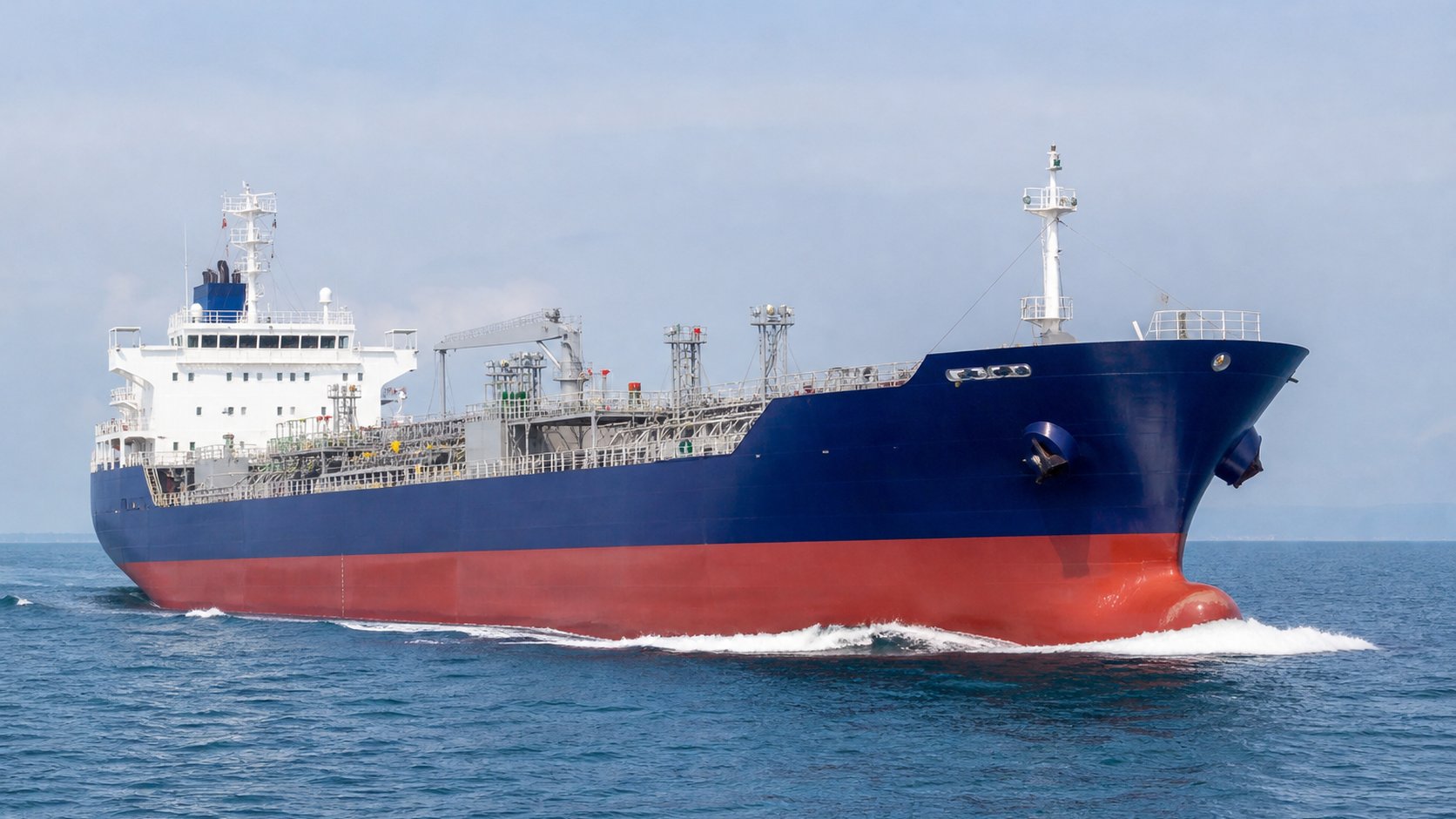
The product tanker market heading through 2026 is not a one-way story, and that is exactly what makes it worth reading carefully before you buy. Demand for reliable tonnage on newly shifted trade routes is real and is lifting some secondhand values — but a wave of newbuild deliveries is arriving at the same time, and that supply overhang is the dominant force working against charter rates. This is a broker’s read on both sides of that tension, and what it means for a buyer weighing MR or handy product tonnage right now.
Charter rates: back off the 2024 highs, and under pressure from new supply
Product tanker rates have fallen back from the very strong levels seen in 2024, as newbuild tonnage has arrived faster than trade growth has absorbed it, eroding the earnings premium owners enjoyed two years ago. The fleet grew by roughly 6% in 2025 and is forecast to expand by a further 6% or so in 2026, with deliveries running heavily through this period — a pace of capacity growth that is proving difficult for rates to outrun even where underlying demand is holding up reasonably well. Crude tankers are expected to outperform product tankers through 2026 for exactly this reason: slower fleet growth and tighter tonnage utilisation on the crude side, against a product fleet that is being asked to absorb a much bigger supply increase.
Secondhand values: a split market, not a uniform one
This is where the story gets more interesting than a simple “rates down, values down” read. Across the sector as a whole, the large influx of newbuild tonnage is limiting buyer appetite for secondhand ships and pointing toward softer secondhand pricing relative to crude tankers. But at the same time, 10–15-year-old MR tankers specifically have seen a notable price increase this quarter, as charterers seek out reliable, known-condition tonnage to serve newly lengthened or rerouted trades. The lesson for a buyer is that “the product tanker market” is not one number — a specific age band and size class can be moving in the opposite direction to the sector headline, and that gap is where the opportunity or the risk actually sits.
Supply: the newbuild wave is the story to watch through 2026
The scale of new tonnage hitting the water is the single biggest variable in this market. With the fleet expanding roughly 6% in both 2025 and 2026, owners and buyers alike are watching how fast that capacity gets absorbed by trade growth versus how much of it simply competes for the same cargoes and pushes rates down further. Newbuild ordering has stayed active through the period despite the rate softness, reflecting confidence in the medium-term picture even where near-term earnings are under pressure — see newbuilding vessels for how a newbuild order would run if that route suits your timeline better than buying into the current secondhand supply picture.
Crude tankers as the sector’s stronger sibling
It’s worth understanding why crude tankers are outperforming, even for a buyer focused purely on product tonnage, because it frames how much of the product sector’s softness is supply-driven rather than demand-driven. Crude tanker fleet supply is growing more slowly, and stronger inventory-related demand plus tighter tonnage utilisation has pushed secondhand crude values to record highs amid ongoing geopolitical uncertainty. That contrast confirms the product tanker story is mainly about absorbing new capacity, not about a lack of underlying demand — which matters for how a buyer should read today’s softer product rates: as a supply problem that eases as deliveries taper, not a structural demand problem.
What this means for a product tanker buyer in 2026
Two different plays are open depending on your time horizon. If you need tonnage that trades well now, a well-specified 10–15-year-old MR with clean coatings and the right IMO type is in genuine demand for the new trade routes charterers are chasing, and its price reflects that. If you are buying to hold through the supply wave, be realistic that charter rates across the wider fleet are likely to stay under pressure until newbuild deliveries taper off, and price your entry accordingly rather than against 2024-era earnings expectations. Browse current tanker tonnage on our tankers for sale page, or see our guides to product tankers and chemical tankers for what to check on a specific candidate. For a valuation read on a ship you’re considering, talk to a broker.
Buying, or want a second opinion?
Our sale & purchase desk can help you find, value and inspect the right tonnage. Tell us what you’re looking for and we’ll revert within one working day.